Icelandic sheepskins have been prized for their warmth and durability for centuries. Historically used for bedding and comfort during long winters, many people now use these natural hides for home decor. However, you choose to enjoy it, proper care is essential to preserve your piece.
When visitors ask us how to clean an Icelandic sheepskin rug, they often expect a complicated answer. It’s simple: thoughtful care and routine maintenance go a long way. You will need to understand how wool behaves to make your sheepskin last a long time.
Here’s everything you need to know about maintaining an authentic Icelandic sheepskin.
The Natural Barrier of Icelandic Sheepskin
One of the reasons people love Icelandic sheepskin is that it holds up surprisingly well. The wool contains lanolin, a natural oil that helps resist dirt and moisture. That means your Icelandic sheepskin rug doesn’t usually need the same level of upkeep as other household textiles.
The way the wool is structured causes dust and small bits of debris to sit closer to the surface instead of working their way deep into the fleece. A quick shake outdoors every now and then is often enough to freshen it up.
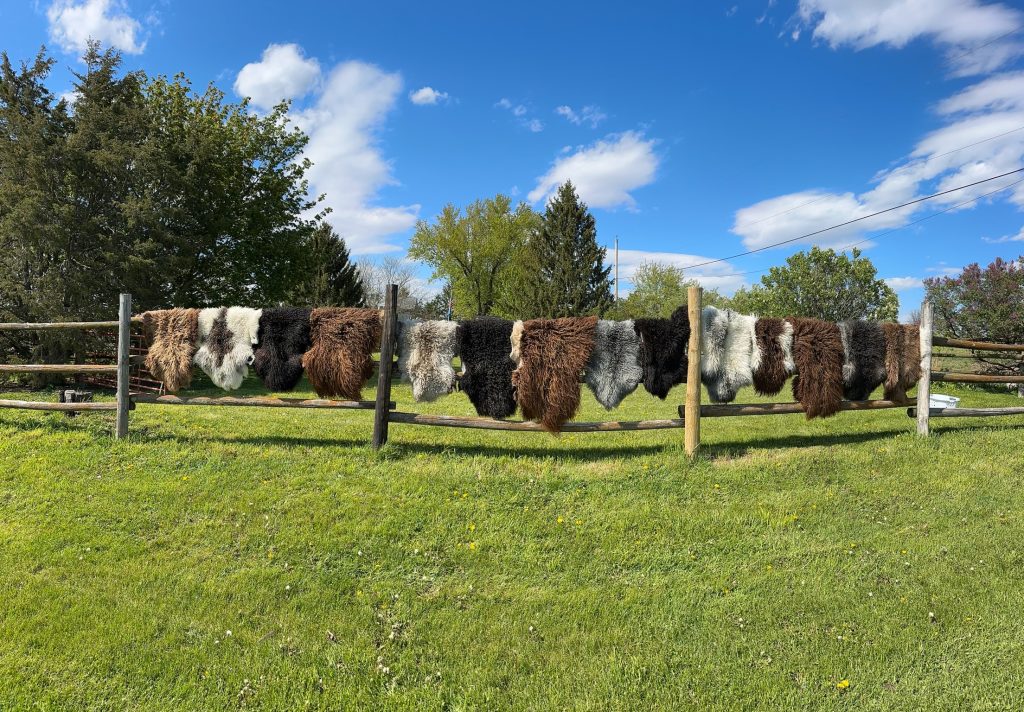
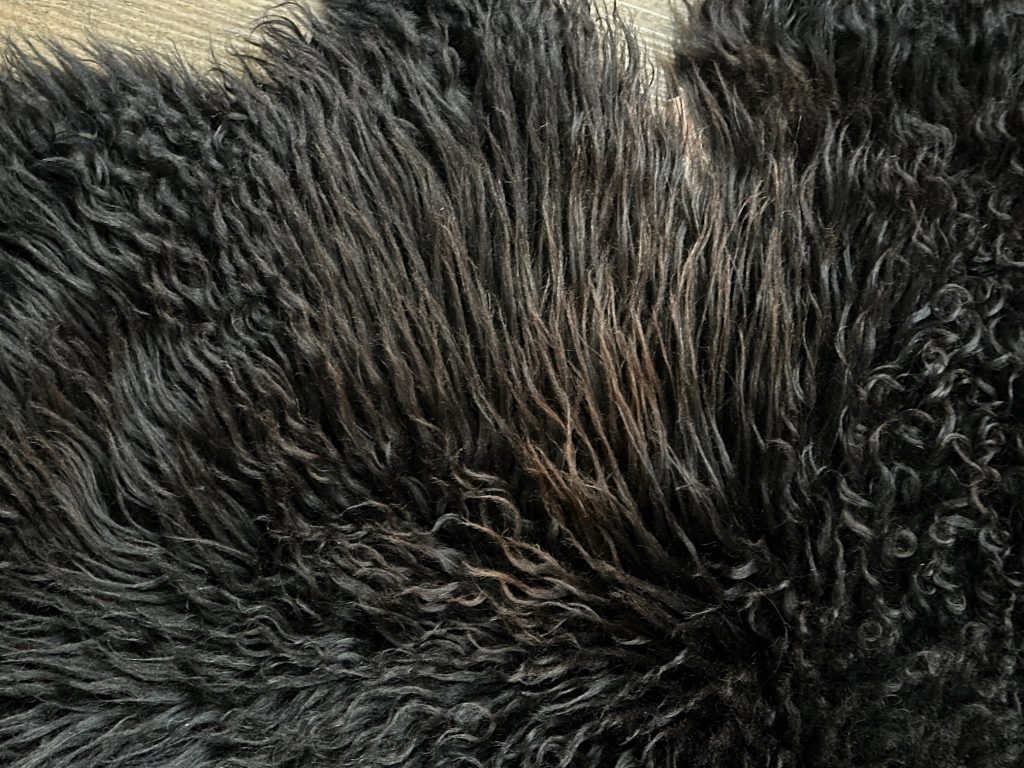
You’ll probably notice that the wool isn’t perfectly uniform, either. Some Icelandic sheepskin rugs have longer, flowing locks, while others have tighter waves or curls. Variations in texture and color are completely normal and part of what makes each hide unique.
If your sheepskin gets regular use, it’s worth checking it occasionally for small spills or spots. Taking care of those right away is a lot easier than dealing with a stain that’s had time to set.
Caring for Natural Vegetable Tanned Leather Backing
Our most recently added sheepskins feature natural vegetable tanned leather backing. This type of leather has a soft, suede-like feel and maintains much of the hide’s natural character. However, it’s important to keep vegetable tanned sheepskin away from excessive moisture.
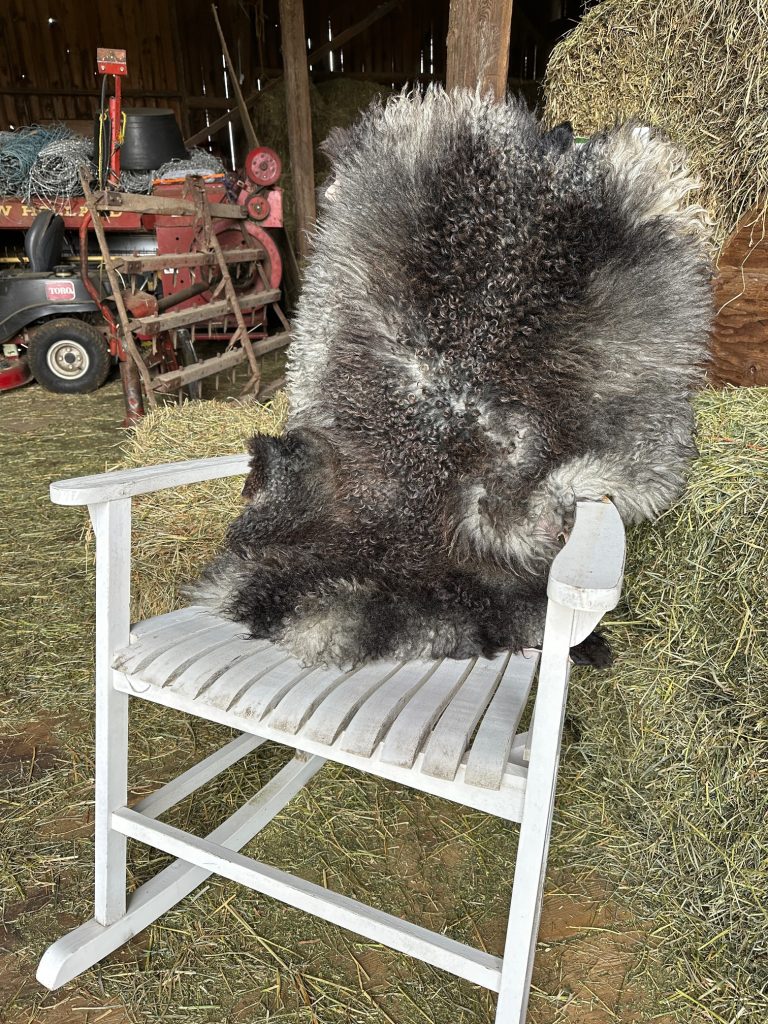
Gray with Silver and Dark Tones
$275.00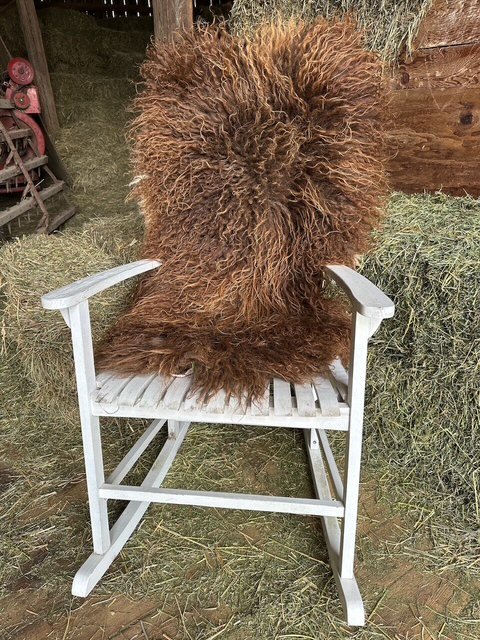
Auburn Brown with Cream Accents
$325.00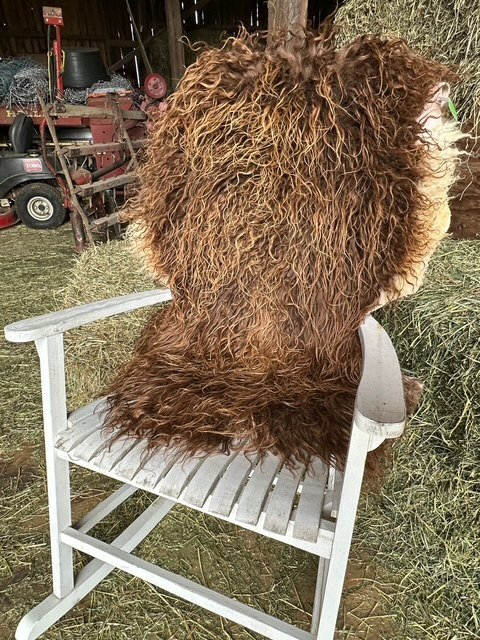
Auburn Brown with Long Wavy Locks
$325.00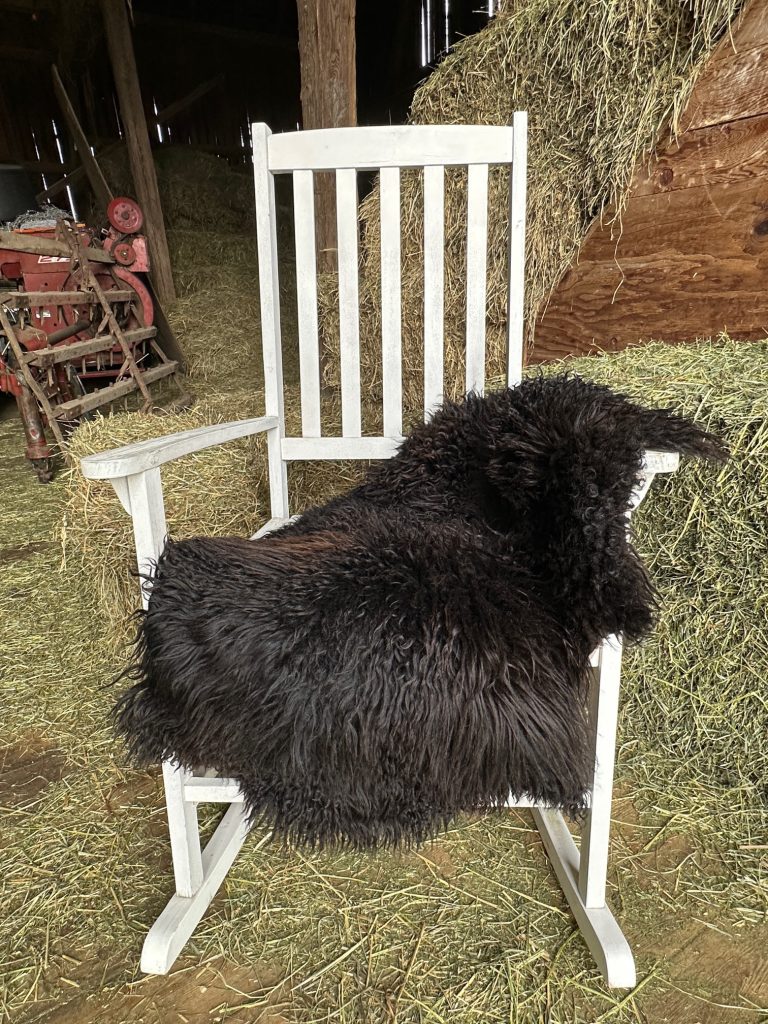
Black with Mahogany Tones
$250.00
Spot cleaning is perfectly fine when needed, but soaking the hide or using too much water can cause both the wool and leather backing to stiffen over time. If a spill occurs, use a small amount of cool water and focus only on the affected area. We recommend taking a gentle approach for the best results.
We recommend that you store your sheepskin in a dry area of your home. Avoid leaving it in damp basements, or garages, where moisture tends to linger. With routine care and a little restraint when using water, natural vegetable tanned leather can stay beautiful for years to come.
Best Practices for Cleaning an Icelandic Sheepskin Rug
An Icelandic sheepskin rug requires less maintenance than many people expect. Wool is naturally resilient, and regular upkeep is usually more effective than the occasional deep clean. Most care comes down to protecting the wool from moisture and addressing messes right away.
Here are a few care practices we’ve found work well over time:
Shake It Out Regularly
Taking your sheepskin outdoors for a gentle shake helps remove dust, crumbs, pet hair, and other loose debris. It only takes a minute and is often enough to maintain its appearance between deeper cleanings.
Spot Clean When Necessary
Spills happen, and that’s okay! If you spill something on the sheepskin, simply blot the affected area with a clean cloth. Use cool water (sparingly) and avoid scrubbing, which can mat the wool fibers.
Avoid Machine Washing
Washing machines can be hard on both the fleece and the leather backing. Agitation, prolonged moisture exposure, and heat can all affect the texture of the wool. Fortunately, wool naturally resists dirt and moisture, so you’ll rarely need a deeper clean.
Brush with Care
Every Icelandic sheepskin is unique, and some feature naturally longer wool than others. Sheepskins with longer wool may benefit from occasional brushing to help separate the fibers and maintain their appearance. Again, it’s best to take a gentle approach.
Try the Traditional Snow Method
If you live in a colder climate, try this simple technique that’s been used for generations. Place the wool side of the sheepskin against fresh snow and gently rub it along the surface. The snow helps lift away dirt and debris without oversaturating the hide. Afterward, shake off any remaining snow and let sheepskin dry indoors in a well-ventilated area.
Use Restraint with Water
As we mentioned earlier, adding too much water to an Icelandic sheepskin can stiffen the wool and alter its texture. Focus on the areas that need attention instead of washing the entire hide. This protects the wool and leather backing from excess moisture.
Can You Use an Icelandic Sheepskin Rug as a Blanket?
Absolutely! Many people seek out an Icelandic sheepskin rug to style a space, but these versatile pieces serve many purposes. Many people use their sheepskins as an Icelandic sheepskin blanket because the long wool provides extra warmth during colder months.
Customers also purchase sheepskins as gifts for new mothers looking for comfort during the postpartum period. Others purchase them as newborn gifts because they’re drawn to the craftsmanship and uniqueness.
An Icelandic sheepskin can serve both decorative and practical purposes around the home. You might find one on a reading chair, in a nursery, or beside the bed during colder months. It’s entirely up to you how you style or display the piece.
Caring for Your Icelandic Sheepskin Over Time
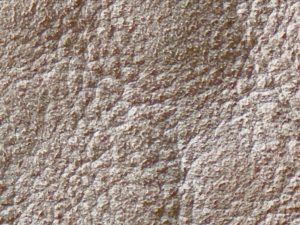
Authentic Icelandic sheepskins are made to be used and enjoyed. If you shake it out and give it a good spot clean as needed, then it can often last you a lifetime. The same goes for the natural vegetable tanned leather backing: treat it with care and it’ll age beautifully.
At Telderer’s Rainbows End Farm, we appreciate that these sheepskins become part of our customers’ homes in lots of ways. People display some year-round. While other people bring out theirs seasonally or pass them along as meaningful gifts.
However, you use yours, remember that a little routine care goes a long way in preserving a vegetable tanned sheepskin for years. Ready to bring home an Icelandic sheepskin of your own? Shop our available hides and see what makes each piece special!